Nothing derails a gardener’s plans faster than discovering aphids on your tomatoes or Japanese beetles stripping your roses to lace. Whether you’re growing vegetables on a small patio or tending a sprawling landscape, pest pressure is inevitable, but it’s also manageable. This guide walks you through garden pest control strategies that actually work, from identifying common culprits to choosing between natural and chemical solutions. You’ll learn how to stop infestations before they spiral, when to call in reinforcements, and how to build a garden ecosystem that keeps pest populations in check naturally. By the end, you’ll have a practical toolkit for protecting your plants without guesswork.
Table of Contents
ToggleKey Takeaways
- Proper pest identification—recognizing aphids, spider mites, Japanese beetles, and caterpillars—is essential before selecting any garden pest control treatment.
- Natural and organic methods like insecticidal soaps, neem oil, spinosad, and companion planting effectively manage light to moderate infestations while protecting beneficial insects.
- DIY household sprays using dish soap, garlic, and pepper are cost-effective for early-stage pest control but require frequent reapplication and work best on small infestations.
- Chemical pesticides should be reserved as a last resort for severe infestations; always read labels carefully, follow safety protocols, and check local regulations before applying.
- Prevention strategies—including crop rotation, debris removal, selecting pest-resistant plant varieties, and regular scouting—reduce pest pressure and eliminate the need for most treatments.
- Integrated Pest Management (IPM) combines monitoring, cultural practices, and targeted treatments only when pest thresholds are exceeded, resulting in healthier plants and lower pesticide costs.
Common Garden Pests and How to Identify Them
The first step to controlling garden pests is recognizing what you’re dealing with. Misidentification wastes time and money, so learn the key troublemakers.
Aphids are soft-bodied, pear-shaped insects roughly 1/8 inch long, clustered on new growth and leaf undersides. They suck sap, leaving sticky honeydew behind that attracts ants and fungal disease. Spider mites cause tiny pale spots on leaves that eventually turn bronze or yellow: heavy infestations create fine webbing. Japanese beetles are metallic green with copper wings, visible during mid-summer on foliage, skeletonizing leaves as they feed.
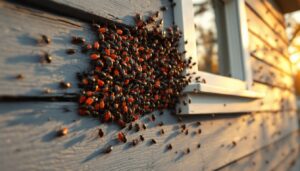
Caterpillars (cabbage worms, tomato hornworms) chew ragged holes in leaves and fruit. Look for dark droppings on affected plants. Scale insects appear as bumpy, crusty coverings on stems and branches, looking almost part of the plant itself. Whiteflies are tiny white flying insects that coat leaf undersides: shake a plant and a cloud will scatter.
Take time to examine both sides of leaves, check stem joints, and note feeding damage patterns. This detective work saves you from spraying the wrong treatment. Many pests have beneficial insect look-alikes, ladybugs and lacewings are allies, not enemies.
Natural and Organic Pest Control Methods
Natural pest control for gardens harnesses biological controls, cultural practices, and minimal-toxicity materials to manage infestations. An integrated approach, combining multiple tactics, yields better long-term results than relying on a single solution.
Insecticidal soaps and horticultural oils suffocate soft-bodied insects like aphids and spider mites. Spray early morning or late evening when beneficial insects are less active, coating both leaf surfaces thoroughly. Neem oil, derived from neem tree seeds, disrupts insect feeding and reproduction: it’s OMRI-certified (approved for organic gardening) but can harm some beneficial insects if applied during peak pollinator hours.
Spinosad, a naturally occurring soil bacterium product, controls caterpillars, beetles, and leaf miners. It breaks down quickly in sunlight and is low-toxicity to mammals. Diatomaceous earth (food-grade only) is fossilized algae that damages insect exoskeletons: dust it on foliage after rain for best coverage.
Handpicking larger pests like caterpillars and beetles is labor-intensive but effective on small plantings. Drop them into soapy water. Encourage parasitic wasps, ladybugs, and ground beetles by planting native flowering plants like coneflowers and yarrow nearby, they provide nectar and pollen between pest seasons.
Floating row covers (lightweight, breathable fabric) exclude pests while allowing light and water through: install them at planting time before pests arrive, and remove during flowering for pollinator access.
DIY Solutions Using Household Items
Cost-effective natural pest control starts in your kitchen. A spray of 1 tablespoon dish soap per gallon of water mimics commercial insecticidal soap for light aphid or spider mite infestations: test on a leaf first and avoid midday sun to prevent leaf burn.
Garlic or pepper spray (blend fresh garlic or hot peppers with water, strain, and dilute) repels soft-bodied insects and some larger pests. Reapply after rain. Neem oil and water spray (follow label rates) works similarly to store-bought versions at a fraction of the cost. A strong water spray alone dislodges spider mites and aphids, though you’ll repeat every 2–3 days during active infestations.
Companion planting, placing marigolds, nasturtiums, or basil near susceptible plants, can deter some pests naturally. While not foolproof, it’s free and boosts garden diversity. Remember: DIY sprays require frequent reapplication and work best on early-stage infestations. Once you’re facing severe damage, commercial products or professional help become more practical.
Chemical and Commercial Pest Control Options
For heavy infestations or persistent pests resistant to organic methods, conventional chemical pesticides offer faster knockdown. But, they require careful handling and should be a last resort after natural approaches.
Pyrethrin-based insecticides (from chrysanthemum flowers) kill on contact: they’re less persistent than synthetic alternatives and break down under UV light, but are still potent and can affect non-target insects. Carbaryl controls Japanese beetles, caterpillars, and sawflies effectively but persists longer in soil and requires careful application timing to avoid pollinator harm.
Miticides (acaricides) specifically target spider mites and are often necessary when infestations spiral. Rotate chemical classes, don’t use the same product repeatedly, to prevent resistance buildup.
Always read labels completely: check application rates per plant size, re-entry times (hours you must wait before touching treated plants), harvest intervals (days before picking fruit or vegetables), and toxicity ratings. Wear nitrile gloves, safety goggles, and a dust mask or respirator when mixing or spraying concentrates. Spray when winds are calm (below 10 mph) to avoid drift onto unintended plants or neighbors’ property.
Many localities require permits or licensing for commercial pesticide application on rental properties, so check local regulations. For large infestations or structural pest problems (termites, carpenter ants), professional pest control services deliver targeted expertise and often carry products unavailable to homeowners.
Garden Pest Solutions: 10 provides additional strategies for balancing chemical and organic approaches.
Prevention Strategies for Long-Term Garden Health
The best garden pest control is prevention. Smart practices reduce pest populations before treatments become necessary.
Remove plant debris and fallen fruit where pests overwinter. Many insects spend dormancy in leaf litter or dead wood. Fall cleanup isn’t just tidy, it’s sanitation. Rotate crops annually (don’t plant tomatoes in the same bed year after year) to disrupt pest life cycles. Many pests are host-specific and can’t feed on unrelated plants.
Choose pest-resistant varieties when available. Check seed catalogs and plant tags for disease and pest resistance codes. A tomato labeled as resistant to spider mites and fusarium wilt saves far more effort than fighting heavy infestations.
Maintain soil health through proper watering, mulching, and composting. Stressed plants attract pests more readily: vigorous plants shrug off light infestations. Water at the soil level (not foliage) to prevent fungal diseases and wash honeydew away. Mulch 2–4 inches deep around plants to regulate soil moisture and temperature, but keep it a few inches from plant stems to prevent rot.
Scout regularly, walk your garden weekly and flip leaves to check for early pest presence. Catching an infestation at 5 aphids per plant beats fighting 500. Organic Pest Defense strategies emphasize this proactive mindset.
Consider Integrated Pest Management (IPM), a holistic framework combining monitoring, cultural practices, beneficial insects, and targeted treatments, chemical or organic, only when thresholds are exceeded. IPM thinking prevents overspray and unnecessary pesticide expense.
Conclusion
Effective garden pest control isn’t about achieving a sterile monoculture, it’s about managing populations so your plants thrive. Start by identifying what’s actually eating your garden, try natural solutions first, and escalate to chemical options only when necessary. Scout regularly, maintain healthy soil and plants, and rotate crops to break pest cycles. Build a diverse garden that supports beneficial insects, and you’ll notice pest pressure naturally diminishes over time. Your garden’s success depends less on perfect pest eradication and more on creating conditions where your plants outcompete the pests trying to harm them.